
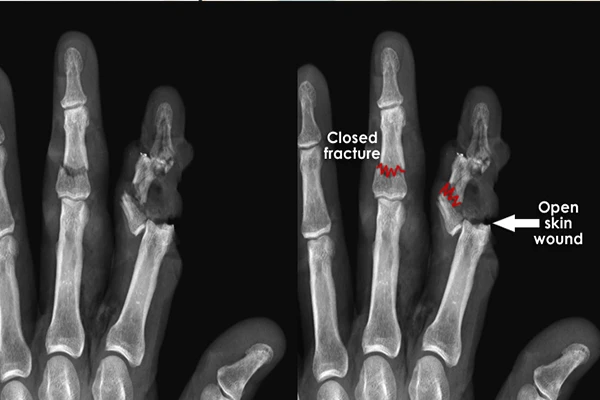
In the high-stakes environment of a trauma bay, time is the most critical factor. The immediate goal is to identify and treat life-threatening injuries, a process guided by the Advanced Trauma Life Support (ATLS) protocol. Medical imaging, particularly portable X-ray and rapid CT scanning, plays an indispensable role in this “primary survey,&
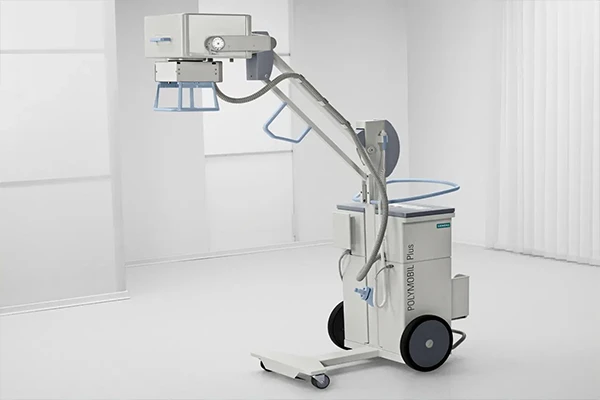
A Technologist’s Guide to Portable X-ray
While most radiography is performed in a dedicated room within the radiology department, some patients are too critically ill or immobile to be transported. For these cases, imaging must come to the patient. This is the world of portable radiography, a challenging but essential service that relies on mobile X-ray machines to provide diagnostic imag
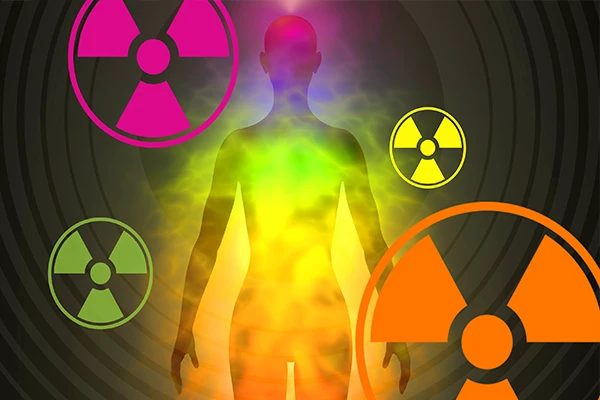
Understanding Radiation Dose: mSv, Gray, and Dose Reports
Quantifying radiation is a complex topic, and several different units are used in medical imaging to measure it. While patients often hear about dose in terms of “years of background radiation,” technologists and physicists use more precise scientific units. Understanding the difference between terms like Gray and Sievert is key to appr
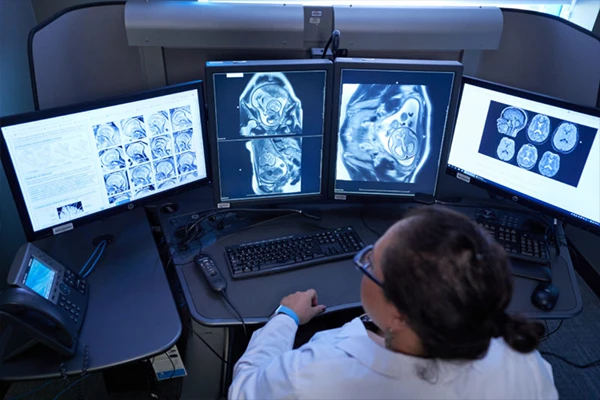
What is a “STAT” Read in Radiology? The Race Against Time
In the world of medical terminology, few words carry as much urgency as “STAT.” Derived from the Latin word “statim,” meaning “immediately,” a STAT order in radiology signifies a medical emergency. It is a signal that a patient’s condition is potentially life-threatening and that the results of their imagin

Preparing for Your Medical Imaging Exam: A Checklist for Patients
Proper preparation is key to a smooth and successful medical imaging exam. Instructions can vary significantly depending on the type of scan you are having. Following these instructions carefully helps ensure the highest quality images for your diagnosis. Here is a general checklist, but **always follow the specific instructions given to you by you
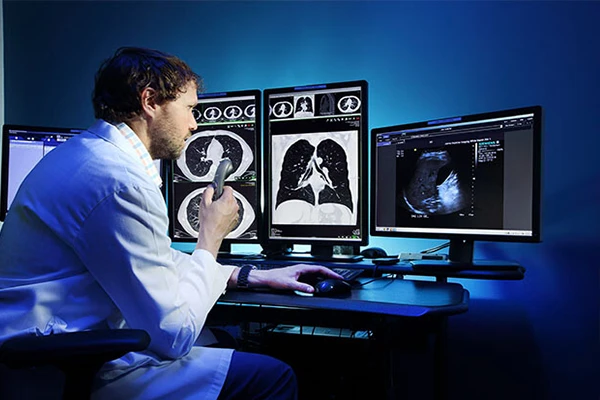
How to Read Your Radiology Report: A Guide to Common Terms
After a medical imaging exam, a radiologist will interpret your images and write a detailed report. Receiving this report can be intimidating, as it is written for your doctor and filled with technical medical terms. While it is **essential to discuss the results with your doctor**, understanding the structure and common language of the report [&he
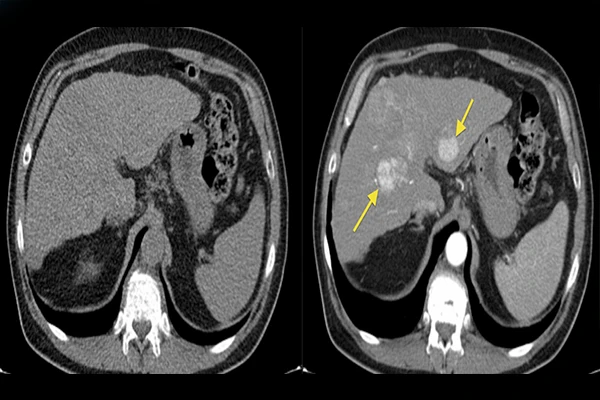
Why Do I Need an IV Contrast for My Scan? (CT & MRI)
If you’ve been scheduled for a CT or MRI scan, your doctor may have ordered it “with contrast.” This means that during the procedure, a technologist will inject a special fluid, called a contrast agent, into a vein in your arm. While a “non-contrast” scan provides a great deal of information, adding contrast can act [&
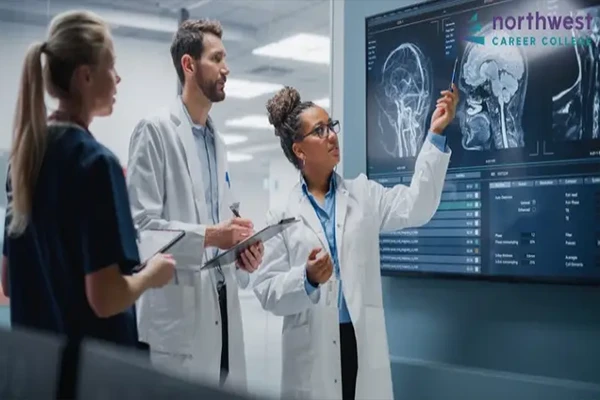
Career Paths & Specializations in Radiologic Technology
A degree in Radiologic Technology and certification as a Radiographer (R.T.(R)) is just the beginning of a long and rewarding career. While general radiography (X-ray) is the foundation, the field offers a rich variety of advanced specializations, allowing technologists to focus on specific modalities, patient populations, or procedures. Pursuing t
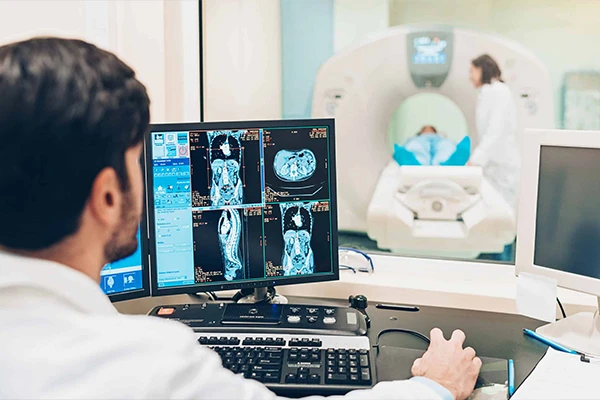
A Day in the Life of a Radiology Technologist
The role of a Radiologic Technologist, or “Rad Tech,” is often misunderstood. Far from just “pushing a button,” a technologist is a highly skilled healthcare professional who serves as the crucial link between the patient, the sophisticated imaging equipment, and the diagnosing radiologist. A typical day is a dynamic blend o
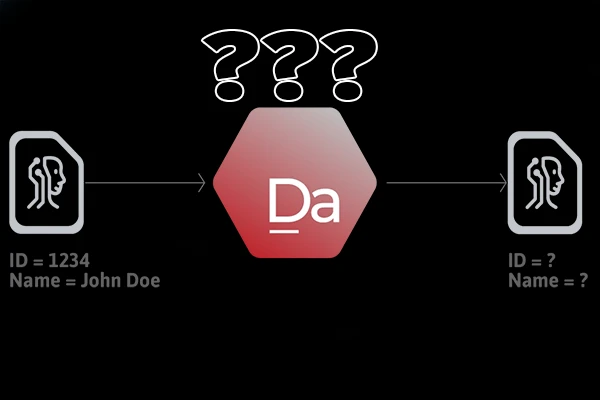
How to Anonymize DICOM Files for Research and Teaching
DICOM files are the standard for clinical imaging, but their richness of data presents a challenge for research and education. They are filled with Protected Health Information (PHI) that must be removed before images can be shared outside of a clinical environment. Proper anonymization is not just a good practice; it is a legal and […]